



Google Ads and Meta Ads (Facebook/Instagram) are two giants of online advertising, but they don’t work the same way. In this article, we compare their strengths and weaknesses to help you choose the best platform for your objectives.
1. Google Ads: The Power of Intent
Target audience: Businesses with actively searched products/services (e.g., plumber, online course).
Advantages:
-
Strong intent: Users type queries like “buy running shoes”.
-
Varied formats: Search, Display, YouTube.
Disadvantages: Cost per click often high in competitive sectors.
Example: An e-commerce site selling luxury watches will get better ROI on Google than a Facebook post.

Crédit : Pexels / Caio
2. Meta Ads: Hyper-Precise Targeting
Target audience: Broad demographics (fashion, food, lifestyle).
Advantages:
-
Behavioral targeting: Focused on interests (e.g., “yoga”, “travel”).
-
Engaging visuals: High-performing videos and carousels.
Disadvantages: Users aren’t always in “shopping mode”.
Case study: An organic clothing store generated 3x more sales via Instagram Ads than with Google, thanks to storytelling videos.
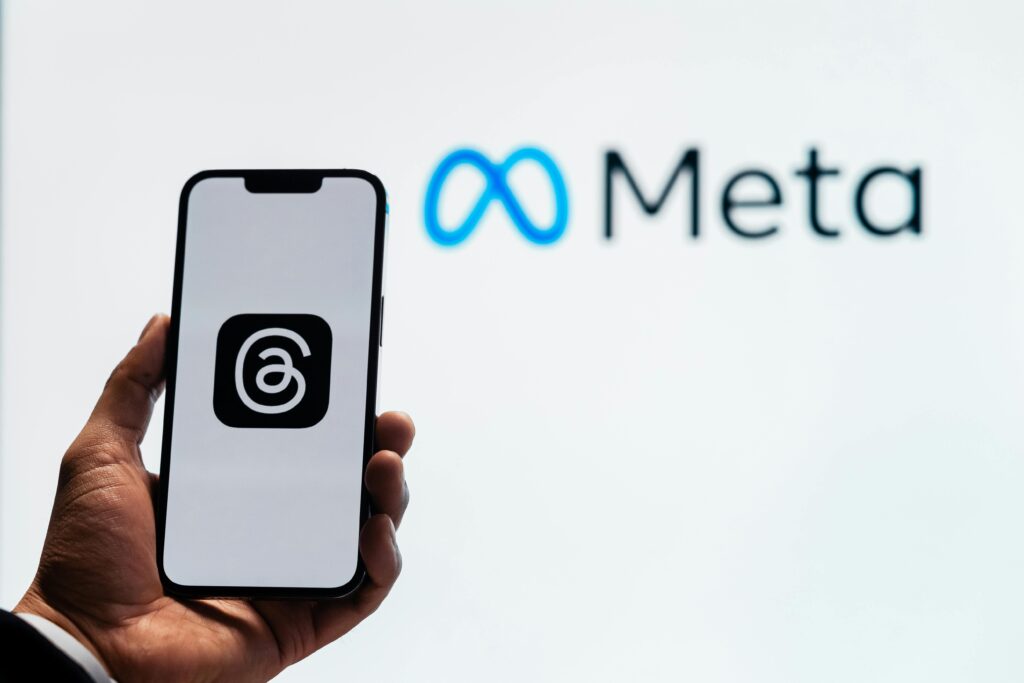
Crédit : Pexels / Julio Lopez
3. How to choose now?
Google Ads:
- For active searches (“buy [product]”).
- Ideal for quick conversions (sales, leads).
- More expensive, but clear ROI.
- For building interest (visual products, branding).
- Audience in “discovery mode”.
- Less expensive, but longer funnel.
Our advice:
-
Direct sales? → Google Ads.
-
Brand/lifestyle? → Meta Ads.
-
Budget? Test both with equal budgets.
1 action: Analyze where your audience spends the most time (Google or social media) and start there.
Why choose Pixel-Gen?
Today Google and Meta are complementary. If you want to improve your ads on and have a real strategy on both platforms. Ready to captivate and convert with your campaigns? Contact us today to discuss.